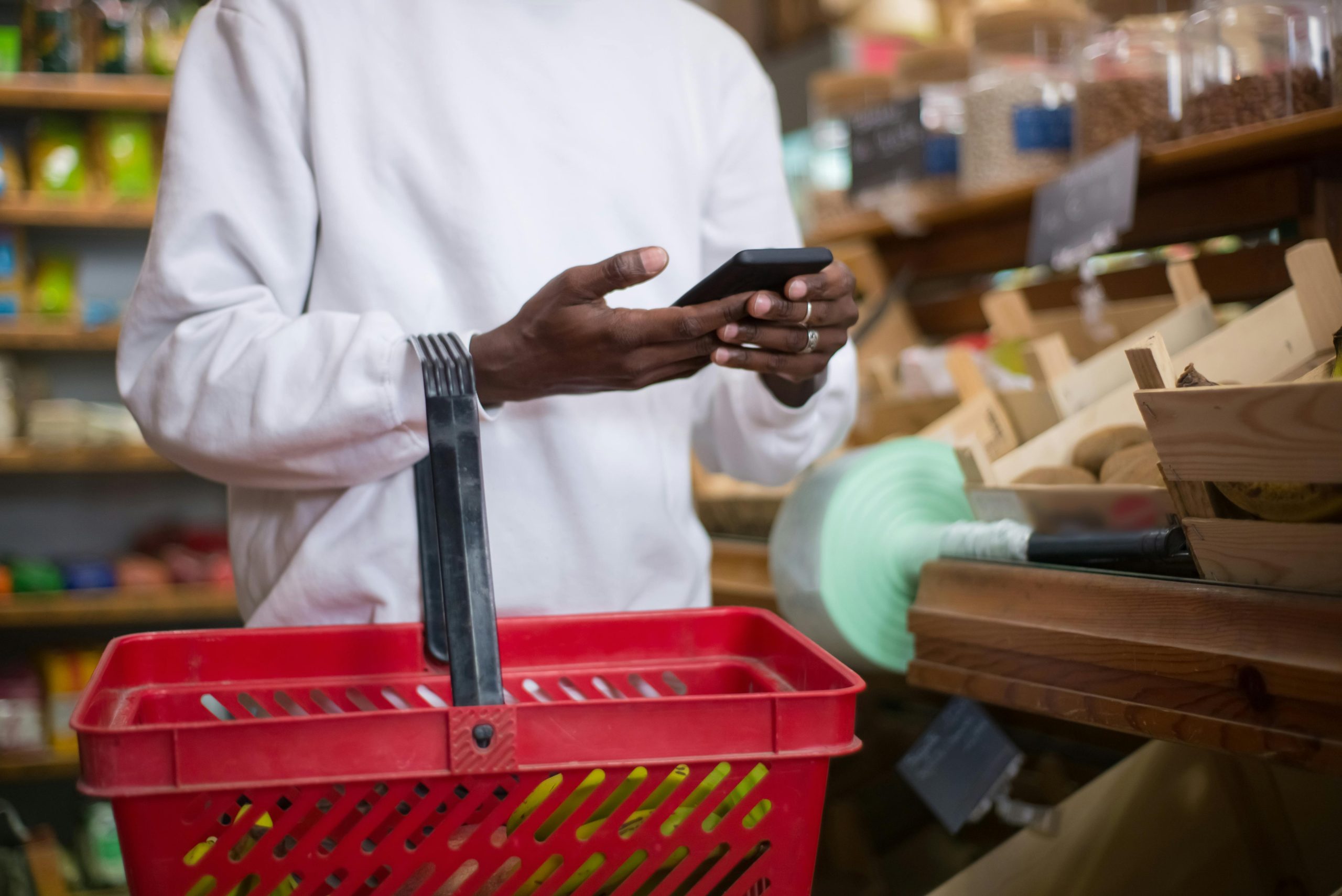
For years, I have been advocating for self-checkouts in various places, only to be met with skepticism—people kept telling me it wouldn’t catch on. But during my time in London, I saw a Tesco in the Bank area that was almost entirely equipped with self-service checkouts. That moment made me reflect on the pros and cons of this transition: fewer employees, less training, faster checkout times?
But was that really the case? Does automation actually reduce the need for staff and training? Or does it simply shift cashiers from sitting at the tills all day to requiring fewer but more specialized employees? Are self-checkouts really faster, or do they just feel faster because we’re actively engaged in the process?
Then, self-service technology finally arrived in Luxembourg. Buying cinema tickets online or via self-checkout kiosks became the norm, and soon after, IKEA, Auchan, and Quick followed suit. While IKEA, Auchan, and cinemas genuinely made my experience quicker, Quick's system still relied on a staff member to prepare and serve my order—so automation didn’t speed up the process in the same way.
But here’s the thought that hit me the hardest: Even if self-checkouts aren’t significantly faster or more convenient, I’d still prefer using them. Why? Because they remove one unpredictable factor that can ruin an otherwise smooth experience—customer service!
If I go to IKEA and manage to avoid interacting with an unhappy or overwhelmed employee, yet purchase everything I planned, I consider that a successful shopping experience. The fact that I might miss out on a friendly and helpful staff member doesn’t outweigh the risk of encountering rudeness or inefficiency.
Today, I actively choose self-checkout machines—even when there’s an available cashier. Call me anti-social if you want, but I’d rather say I’m anti-rude-service.
So where does that leave us with this paradigm shift?
A few years ago, businesses sought to increase customer retention by offering great service. Today, a new strategy is emerging: automating customer service to eliminate human error altogether. Skynet, anyone?
To the unions out there—don’t just fight for job security, fight for the support needed to do those jobs well.
And my final takeaway? I would only choose automation over human service if I doubted my employees’ ability to meet my standards. But to all business owners reading this—if your staff delivers bad service, don’t hesitate—replace them with a machine! 😉